
Raising a strong Christian son is not about shaping a perfect image. It is about helping a young man build a life rooted in faith, character, responsibility and love. A father's everyday example can become one of the most meaningful influences in that journey.
Fatherhood is more than providing for a household or giving instructions. It is a calling to be present, to lead with humility and to help a son understand what it means to follow God in the ordinary decisions of life. The conversations at home, the way a father handles pressure, the promises he keeps and the way he treats people all help communicate what faith looks like in practice.
For Christian fathers, the goal is not to control every outcome. It is to faithfully guide the next generation, creating an environment where sons can grow in wisdom, discover their gifts and learn to take responsibility for the men they are becoming.
IN
ACTION Four foundations of intentional fatherhoodSimple, consistent ways to help a son grow in faith, character and purpose.
Why a Father's Role Matters
A father has an opportunity to help his son understand identity, responsibility and belonging. A boy is learning how to respond to challenges, how to treat others, how to handle mistakes and how to make decisions. A father's words matter, but his patterns matter too. Sons notice whether a man keeps his word, admits when he is wrong, shows respect and makes time for the people he loves.
This influence is not about having every answer. It is about being a trustworthy presence while a son learns to navigate life. A father can demonstrate that strength and kindness belong together, that responsibility is part of maturity and that faith is meant to shape actions, not only words.
Your son needs to hear what you believe and see how you live it.
Lead with Presence Before Performance
One of the most important things a father can give his son is undivided attention. Being present means more than sharing the same room. It means listening without rushing to correct, asking questions and showing genuine interest in what matters to him.
Make room for conversations that are not attached to a lesson or a correction. Ask about his friendships, what he is learning, what he finds difficult and what he is looking forward to. Give him space to speak honestly. When a son knows he can approach his father with questions and concerns, the relationship has room to grow in trust.
Presence also looks different at different ages. A young boy may connect through play, shared projects or a bedtime conversation. A teenager may open up during a drive, a walk or a task done side by side. The activity does not have to be elaborate. Consistency communicates that the relationship is worth making time for.
Make Faith Visible in Everyday Life
Deuteronomy 6:6–7 describes the importance of keeping God's words close and teaching them diligently to the next generation in the rhythms of everyday life. Faith formation is not limited to a single weekly moment. It can be part of ordinary conversations, decisions, celebrations and challenges.
Let your son see what prayer looks like when you need wisdom. Let him hear you express gratitude. When you make a mistake, show him what repentance and an honest apology look like. When a difficult decision comes, explain how biblical values help guide your response. These moments help connect belief with real life.
You do not need to pretend that you never struggle. A son can learn a great deal from watching his father seek God, ask for help, make things right and keep growing. A sincere example is more meaningful than an image of perfection.
Teach Strength Through Character and Service
Culture often describes strength through status, control or physical power. Biblical strength points to something deeper: courage shaped by love, self-control, integrity and a willingness to serve. First Corinthians 16:13–14 calls believers to stand firm in faith, act with courage and let everything be done in love. That is a powerful picture for a son to see lived out at home.
Show him that being strong does not mean humiliating someone, hiding every emotion or refusing to ask for help. It means choosing what is right when it is difficult. It means treating people with dignity, protecting those who need help, taking responsibility for your actions and using influence to serve rather than dominate.
Jesus connected leadership with service in Mark 10:42–45. Fathers can bring that principle into everyday life by sharing responsibilities, serving others as a family and explaining why humility is not weakness. A son who sees strength expressed through service gains a healthier picture of leadership.
Correct with Consistency, Patience and Love
Guidance is part of fatherhood. Sons need boundaries, correction and clear expectations as they learn to make responsible choices. But correction should help build understanding, not create fear or resentment. The purpose is to guide a young person toward wisdom and maturity.
Ephesians 6:4 tells fathers not to provoke their children to anger, but to bring them up with discipline and instruction in the Lord. This is a reminder that the way a father corrects matters. Discipline should be consistent, proportionate and connected to the behavior being addressed. It should never become an excuse for cruelty, humiliation or uncontrolled anger.
Explain the reason behind a boundary when the moment allows. Listen to your son's perspective. Recognize progress, not only mistakes. When you respond poorly, take responsibility and apologize. This does not remove a father's authority; it shows that authority and humility can work together.
Prepare Him for Responsibility and Purpose
Raising a son includes preparing him to contribute, make decisions and take ownership of his responsibilities. Give him age-appropriate opportunities to help at home, complete tasks, manage commitments and follow through on what he says he will do.
Do not rush to solve every problem for him. Walk alongside him as he thinks through a challenge. Ask what options he sees, what the consequences might be and what choice reflects his values. Let him experience the results of appropriate decisions while knowing that your guidance and support remain available.
Proverbs 22:6 speaks about training a child in the way he should go. This wisdom encourages intentional formation over time. It is not a promise that a parent can control every future decision. A son grows into a person with his own choices and responsibilities. A father's role is to teach, model, encourage and keep pointing him toward a life shaped by God's truth.
Build a Circle of Positive Male Influence
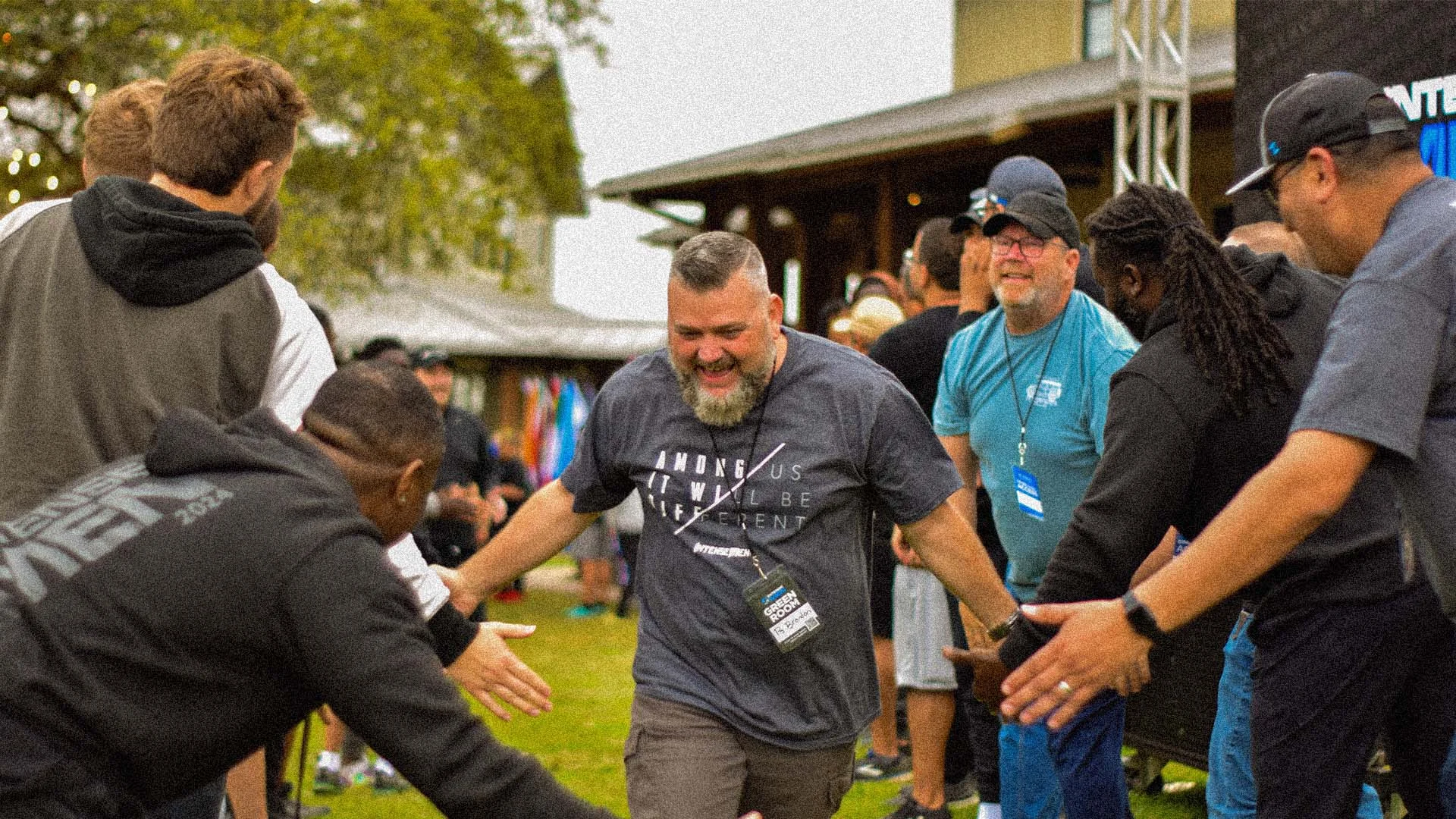
A father is important, but he does not have to be the only positive male influence in his son's life. Healthy relationships with grandfathers, uncles, coaches, pastors, mentors and trusted family friends can reinforce values and offer different examples of mature Christian manhood.
Look for men whose lives reflect humility, faithfulness, integrity and care for others. Help your son build relationships where he can ask questions, learn practical skills and see how different men serve their families and communities. Brotherhood is not simply being around other men; it is choosing relationships that encourage growth and accountability.
Fathers can also model this by maintaining meaningful friendships with other men. Let your son see you receive advice, encourage a friend and show up when someone needs support. These relationships help demonstrate that maturity includes both giving and receiving encouragement.
A Practical Rhythm for Fathers and Sons
Intentional fatherhood is built through repeated moments, not one perfect conversation. A simple rhythm can help turn good intentions into habits. Adapt it to your family's season, schedule and your son's age.
Daily
Connect and encourage
- ListenGive him focused attention and ask how his day is going.
- ModelLet him see faith, respect and responsibility in your choices.
- PrayMake space for a simple prayer together when possible.
Weekly
Share meaningful time
- TalkHave a conversation without distractions or an agenda.
- ServeComplete a task or serve someone together.
- ReflectDiscuss one lesson, challenge or answered prayer.
Over time
Equip him for the future
- TeachPass on practical skills and biblical principles.
- EncourageRecognize growth, effort and responsible choices.
- ConnectBuild relationships with trustworthy mentors and brothers.
When the Father-Son Relationship Is Complicated
Not every family story looks the same. Some fathers are rebuilding trust after difficult seasons. Some sons are growing up without their biological father present. Others are being supported by a stepfather, grandfather, uncle, pastor or another trusted mentor. These circumstances deserve care, honesty and compassion.
If the relationship has been strained, begin with a sincere step toward connection. Listen before defending yourself. Be honest about what needs to change, follow through on commitments and allow trust to develop over time. Reconciliation cannot be forced, and meaningful change may require support from a pastor, counselor or other qualified professional.
If you are a father figure or mentor, recognize the responsibility of your influence. Be consistent, respect healthy family boundaries and point the young man toward a strong community of support. The goal is not to replace someone through pressure, but to offer steady encouragement and a trustworthy example.
Strong Sons Are Formed Through Consistent Love
A strong Christian son is not defined by never making mistakes or having every part of life figured out. Strength grows as he learns to trust God, take responsibility, treat others with respect, respond to challenges with courage and keep choosing what is right.
Fathers help shape that foundation through ordinary faithfulness: showing up, listening, teaching, correcting with love, serving and continuing to grow themselves. Your son does not need you to be flawless. He needs an example of a man who takes his faith seriously, owns his decisions and keeps moving toward Christ.
Lead with faith. Build with love. Raise the next generation with purpose.
Build stronger men, one generation at a time
IntenseMen brings men and boys together to grow in faith, strengthen relationships and pursue a life of purpose.
Make the Most of the Influence You Have
You may not be able to choose every circumstance your son will face, but you can choose the kind of presence you bring into his life. Start with a conversation. Make time. Pray together. Let your actions support your words. Keep building a relationship where faith, honesty and responsibility can grow.
IntenseMen exists to encourage men and boys to grow through faith, brotherhood and challenge. Learn more about the ministry at IntenseMen, or contact the team at info@intensemen.com.